How Books Can Transform Hospital Stays: Stories of Hope and Recovery


The Healing Power of Books
Hospital stays can be daunting, filled with uncertainty and anxiety. Yet, for many patients, books offer a beacon of hope and a pathway to recovery. Immersing oneself in a story can transport the mind away from the clinical environment, providing a much-needed escape.
Books have the remarkable ability to inspire and heal. Whether it’s fiction, non-fiction, or poetry, the right book can change a hospital experience from overwhelming to enlightening.
Stories of Hope
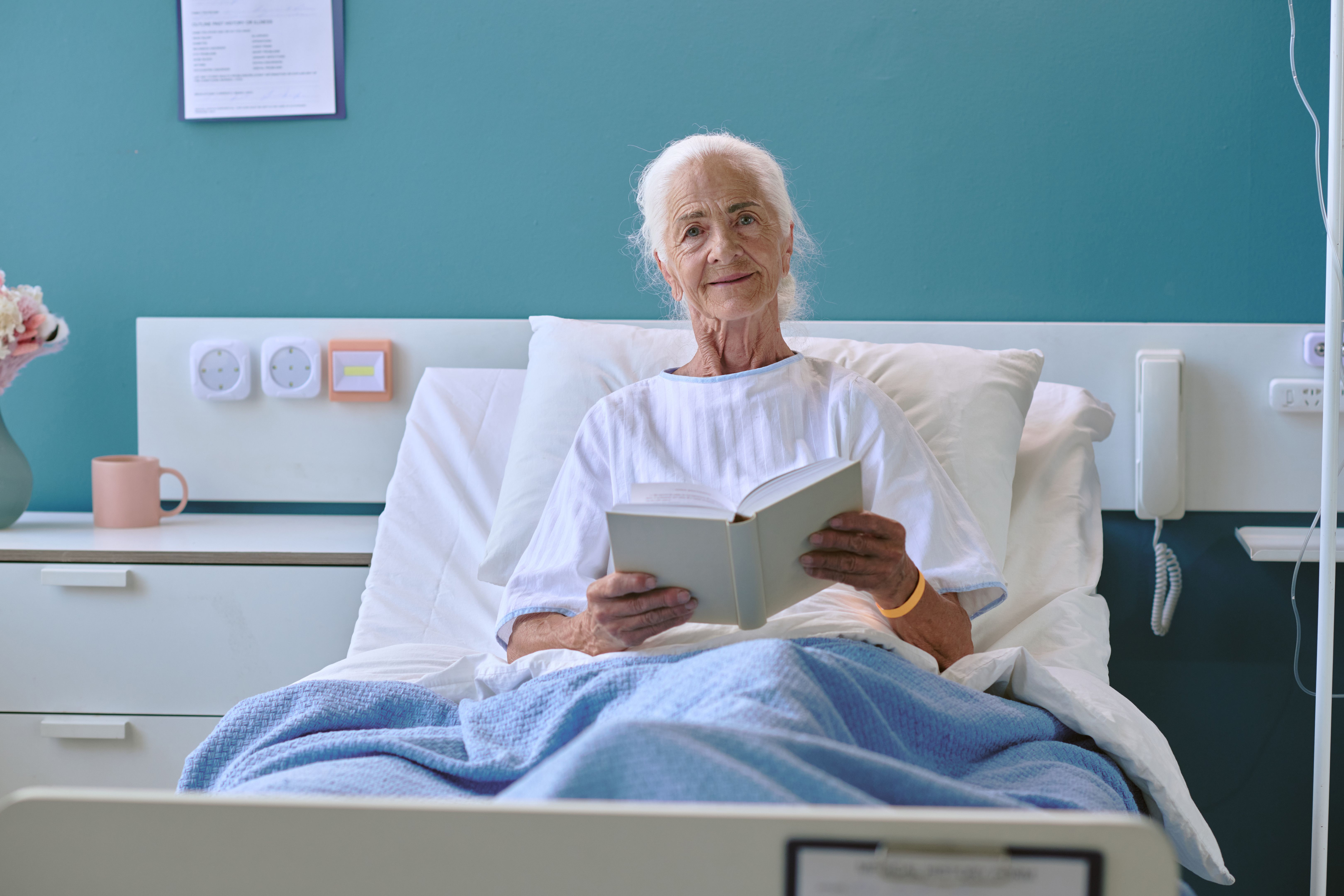
Numerous patients have shared how books have been instrumental in their recovery. For some, reading stories of resilience and triumph provides motivation and courage. These narratives can be a source of strength, showing that adversity can be overcome.
One patient recalled how a novel about a character overcoming great odds helped them find their own inner strength. It served as a reminder that hope is always within reach.
Creating Connections
Books also foster connections. In hospitals, book clubs are forming where patients can discuss stories and share perspectives. This social interaction is crucial, as it combats loneliness and builds a sense of community among patients.
Such interactions allow patients to form bonds over shared experiences and mutual interests, creating a supportive network that aids in emotional recovery.

Practical Benefits
Beyond emotional support, reading has practical benefits. Engaging with a book can improve mental agility, reduce stress, and even alleviate physical pain. The act of reading stimulates the brain, keeping it active and engaged.
Here are some specific benefits of reading during hospital stays:
- Stress Reduction: Losing oneself in a book can lower heart rate and muscle tension.
- Improved Sleep: Reading before bedtime can promote better sleep patterns.
- Enhanced Focus: Regular reading improves concentration and cognitive function.

Personalized Reading Programs
Many hospitals are recognizing the impact of books and are developing personalized reading programs. These programs tailor book selections to individual patient needs, whether they crave inspiration or distraction.
Such initiatives ensure that every patient has access to literature that can aid in their healing journey, providing comfort and solace during challenging times.
Conclusion
The transformative power of books in hospital settings cannot be overstated. They offer more than just entertainment; they provide hope, foster connections, and contribute to both emotional and physical healing.
As hospitals continue to embrace the role of literature in patient care, the stories of hope and recovery will only grow, proving that sometimes, the best medicine comes in the form of a good book.